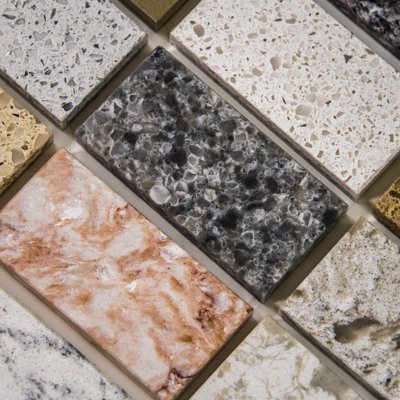
Flooring 101: What do you need to know?
Flooring Education
Flooring 101: The Keys to Selecting New Floors
Before you decide on the material, texture, color and style of your new flooring, you’ll want to know all the options and features available. Choosing new floors is a significant investment that impacts your home’s aesthetic and function for years to come. Successfully navigating the selection process means balancing personal preferences with practical, site-specific demands.
There are several keys that are unique to you and your budget such as the location where you’ll be installing the flooring, the installation methods that will work in your space, and the proper care and maintenance techniques for your floor. The best flooring selection for your home should combine material, style, cost, and care considerations.
Selecting Floors to Meet Your Needs
The first key is assessing your space's specific needs and traffic level. For example, you’ll have different considerations for a basement, a high-traffic entryway, and a formal living room.
- A basement or bathroom prone to moisture absolutely requires waterproof options like luxury vinyl plank (LVP) or tile to prevent mold and structural damage.
- In contrast, high-traffic areas like kitchens or hallways demand maximum durability, favoring materials that resist scratches and wear such as resilient laminate or robust engineered woods.
- A formal living room, which sees less foot traffic, might allow for softer options like plush carpeting or classic solid hardwood for maximum visual impact.
Beyond the room, consider your lifestyle: Do you have pets, children, or a busy household? These factors will steer you toward durable, easy-to-clean surfaces.
Selecting Floors to Meet Your Budget
Next, you must define your budget, as the overall cost involves more than just the material price. Premium materials like solid hardwood or high-end tile will have a higher upfront cost than budget-friendly options like laminate or standard vinyl.
Furthermore, the installation method significantly influences the total price. You may have to consider whether you’ll install your flooring products yourself or if you’ll hire a professional to do the job. While a DIY installation saves on labor costs, complex materials like intricate tile patterns or certain glue-down products often require the precision and expertise of a professional installer to ensure longevity and quality.
Select New Floors for Low Maintenance
Finally, never overlook the long-term commitment of flooring care and maintenance. A glossy, dark hardwood floor is stunning, but will also show every dust particle, scratch, and require more frequent attention. A textured laminate or patterned tile may hide wear better but could require specialized cleaning products.